
By: Marlene Ruiz
Many dog owners take great pride in how well-behaved their dogs are at home. They come when called, lie quietly on command, and have impeccable manners in the comfort of their familiar surroundings. But step outside that front door – into a park, café, or community event – and suddenly, that same obedient dog may seem to forget every bit of training.
This is a common and completely normal phenomenon. Dogs, just like people, struggle to generalize behavior across different environments. That’s why community training – practicing obedience and manners in real-world settings – is just as important as training at home.
Why the home environment isn’t enough:
The home is predictable. The same people, sounds, smells, and distractions are there every day. A dog that performs beautifully in that setting hasn’t necessarily learned to think through distractions – they’ve learned to respond within a controlled, familiar routine.
When you take that same dog into the community, the world changes dramatically:
- New dogs pass by on leash.
- Kids run and play.
- Loud cars, skateboards, or music add unpredictable noises.
- Strangers want to pet your dog.
If your dog hasn’t been gradually introduced to distractions through structured training sessions, their focus, confidence, and manners may quickly fall apart.
The world is a dog’s classroom:
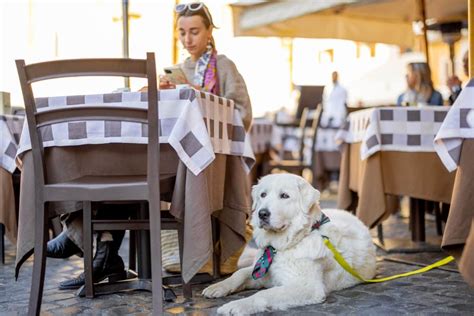
Today’s dogs are part of our daily lives in ways that previous generations most likely were not. They accompany us to stores, restaurants, outdoor markets, family gatherings, and community events. With this increased social inclusion comes greater responsibility. Our dogs must know how to behave appropriately in these diverse settings.
Community training helps them learn that obedience isn’t situational – it’s a lifestyle expectation. It teaches dogs to look to their handler for guidance, no matter where they are or what’s going on around them.
Building real-world-reliability:
The goal of training isn’t just compliance; it’s confidence and reliability. Community training includes:
- Environmental exposure — Dogs learn to remain calm and responsive in new surroundings.
- Impulse control –They practice ignoring distractions and focusing on their handler.
- Social manners –They learn to interact appropriately with people and other dogs in public.
- Handler confidence — Owners gain experience managing their dogs in real-life settings, rather than just at home.
By gradually building these skills – starting in quiet areas and progressing to busier environments – dogs become adaptable, steady, and well-mannered companions.
A balanced approach to community training:
Community training doesn’t mean simply taking your dog out and hoping they behave. It requires structured sessions that balance motivation, clear communication, and fair accountability. A well-rounded approach includes:
- Rewarding good choices to reinforce focus and calmness.
- Setting boundaries and correcting inappropriate behavior when necessary.
- Teaching the dog to think and make the right decision amid distractions.
This combination of motivation and structure develops dogs who are both happy and respectful participants in public life.
The payoff — a dog you can take anywhere:
The real reward of community training is freedom and safety for your pup. A dog that can calmly accompany you to a busy café, a park full of dogs, or a community festival is a joy to live with.
When we take the time to train beyond the home, we’re not only setting our dogs up for success – we’re strengthening our bond, improving communication, and making them true ambassadors of responsible dog ownership.